Central Africa Bushmeat Research Into Policy
Bridging research and policy for sustainable bushmeat systems
CA-BRIP is a platform for debate and dialogue that connects scientific evidence to the decisions shaping wildlife-resource governance in Cameroon, the Democratic Republic of the Congo and Gabon.
Duration
Ongoing
Locations
Cameroon, Democratic Republic of the Congo (DRC), Gabon
Founding institutions
Five, forming the General Assembly
The need
Evidence exists. Reaching the people who write policy is the hard part.
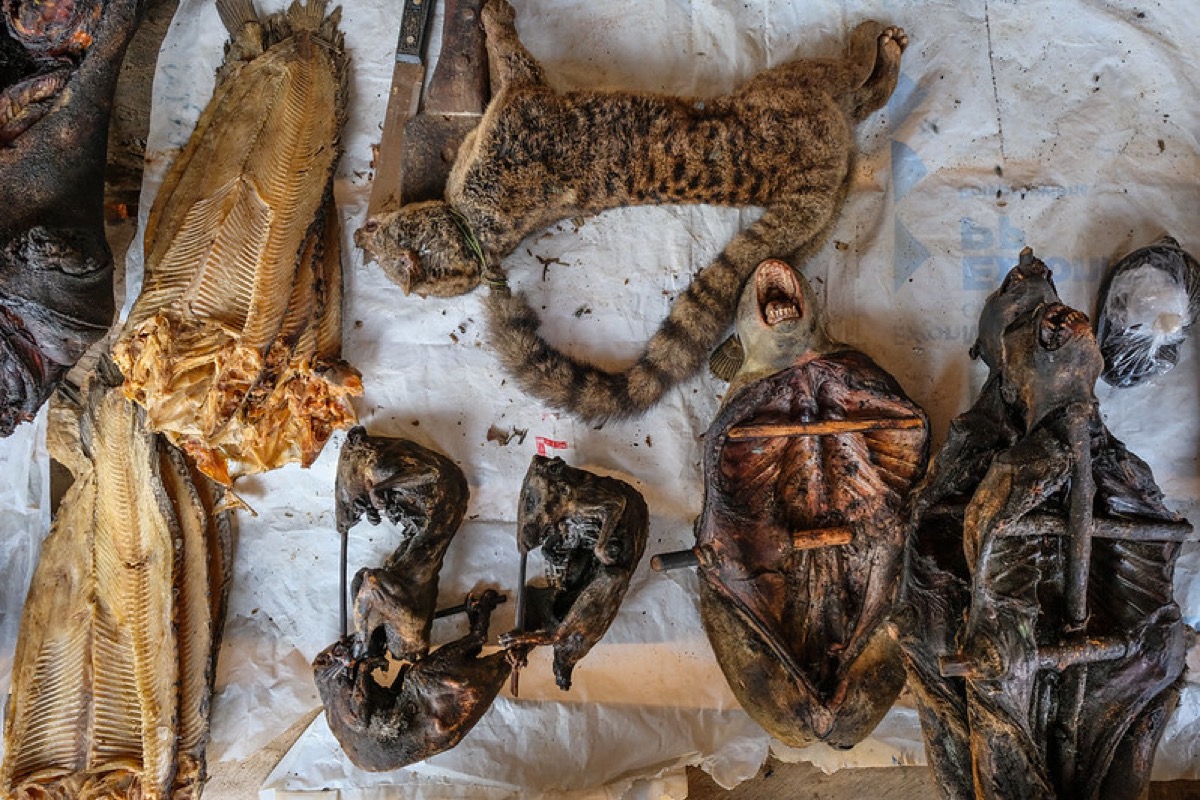
Unsustainable hunting for bushmeat is a key threat to biodiversity and food security in Central Africa. While evidence bases and decision-support tools exist that can be used to develop effective policies and practices for sustainable wildlife management, regional awareness of and capacity to use these resources is often lacking, with limited cross-country sharing of experiences.
The governments of Cameroon, the Democratic Republic of the Congo (DRC) and Gabon are all at different stages of reforming their bushmeat policies. The Central Africa Bushmeat Research Into Policy (CA-BRIP) network aims to support them on their journey to develop sustainable, equitable and safe bushmeat systems across the region.
Our vision
A future where species sold and consumed for bushmeat — both urban and rural — are not sourced from protected areas and are not on the IUCN or national red lists of endangered species.
CA-BRIP network members
What we’re doing
Five ways the network turns evidence into decisions
CA-BRIP provides national policymakers with on-request analyses and information to inform their decisions. Alongside that core service, the network works on four fronts.
On-request analysis for policymakers
Providing national policymakers with the analyses and information they ask for, at the moment decisions are being made.
Capacity building
Strengthening researchers and practitioners in Central Africa, especially in the production, processing and use of scientific data for decision-making, as well as fundraising and communication skills.
Scientific papers and policy briefs
Producing, harmonizing and disseminating research to improve understanding of the dynamics governing bushmeat use in Central African countries, and to inform targeted decision-making.
Spaces for dialogue
Facilitating exchange among researchers, policymakers, practitioners and the wider set of stakeholders involved in bushmeat use and management.
Evidence-informed policy
Promoting the development and implementation of concerted, evidence-informed policies across the region.
The team
A decentralized network, coordinated regionally
At the regional level, the network is managed by a General Coordinator who represents CA-BRIP and ensures its overall operation. The General Coordinator is supported by focal points in each country.
Donald Midoko Iponga
Country Focal Point, Gabon
Krossy Mavakala
Country Focal Point, DRC
Founding institutions
CA-BRIP is founded by five institutions, which make up the General Assembly


Project news
Latest from the network
Working on bushmeat policy in Central Africa?
The network includes technical partners and diverse members representing both institutions and individuals. Get in touch to request an analysis, propose a collaboration or join.